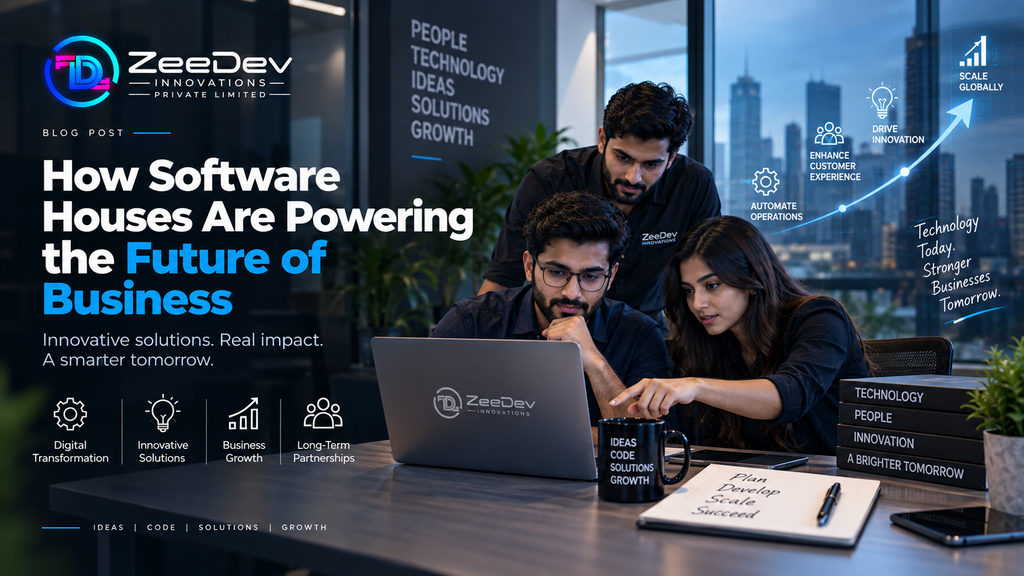
How Software Houses Are Powering the Future of Business
In 2025, businesses face one undeniable truth: technology drives growth. According to Statista, global spending on digital transformation is projected to reach $3.9 trillion by 2027, showing how critical technology is for businesses of all sizes. From global enterprises to local startups, companies that embrace digital transformation are the ones staying ahead. But building, managing, and scaling technology solutions is not easy. That is where software houses come in.
Software houses are no longer just coding teams. They are strategic partners shaping the future of business. With expertise in software development, cloud computing, cybersecurity, artificial intelligence, and user experience, they empower businesses to grow faster, operate smarter, and stay competitive.
What Makes Software Houses Essential in 2025?
Software houses are redefining how businesses approach technology. Here is why they are indispensable today:
1. Driving Digital Transformation
The World Economic Forum reports that 70% of new value created in the economy over the next decade will be based on digitally enabled business models. Software houses help organizations move from traditional processes to digitally powered ecosystems, ensuring smoother operations, better customer engagement, and stronger growth.
2. Building Tailored Solutions
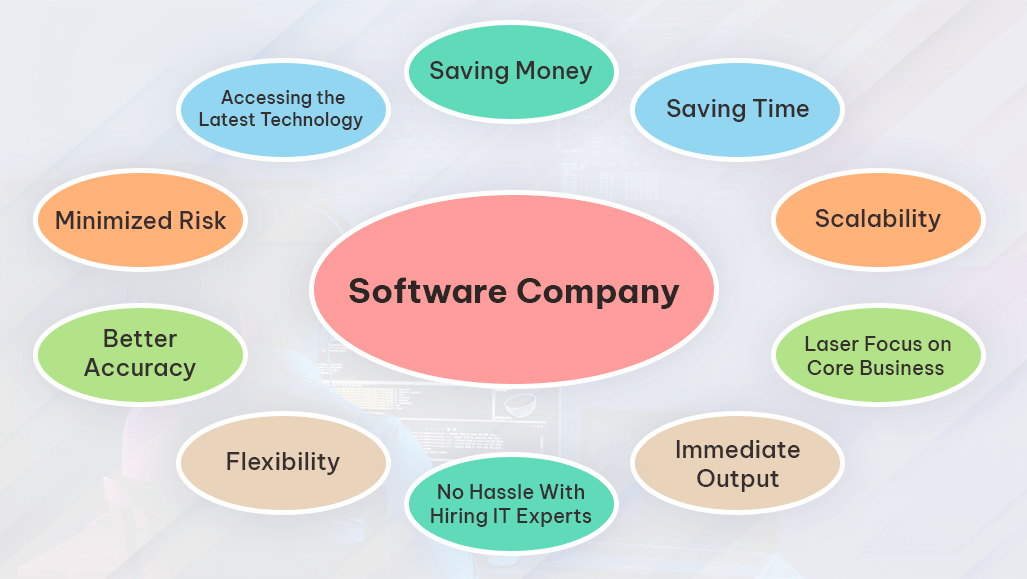
Research by Gartner shows that 90% of organizations cannot fully meet their business needs with off-the-shelf software alone. A software house builds custom applications that align with unique goals, whether that is a mobile app for customer engagement, an ERP system for internal operations, or an AI-powered tool for smarter decision-making.
3. Scalability for Growing Businesses
Scalable solutions are essential as businesses expand. According to McKinsey, companies that scale their digital systems effectively achieve 20–30% improvements in efficiency compared to those relying on outdated processes. Software houses ensure technology keeps pace with growth.
4. Cost-Effective Expertise
Hiring and maintaining a full in-house IT team can be expensive. In Pakistan, the average annual salary for a mid-level developer is PKR 2–3 million, while outsourcing to a software house spreads this cost across a full team of developers, designers, and testers. This makes software houses a cost-effective way to access specialized expertise.
5. Keeping Businesses Future-Ready
Emerging technologies are transforming industries. A report by PwC estimates that AI alone will contribute $15.7 trillion to the global economy by 2030. Software houses stay ahead of these trends, helping businesses adopt innovations like AI, blockchain, IoT, and cloud computing at the right time.
How Software Houses Power Different Industries
Software houses play a crucial role across multiple industries. Here are a few examples:
E-commerce – According to Insider Intelligence, global e-commerce sales are expected to surpass $6.9 trillion in 2025. Software houses build scalable online platforms with secure payments and AI-driven recommendations to tap into this booming market.
Healthcare – The digital health market is projected to reach $504 billion by 2025. Software houses enable telemedicine apps, electronic patient management systems, and data-driven health solutions.
Finance – Cybersecurity Ventures predicts that global cybercrime costs will hit $10.5 trillion annually by 2025. Software houses help financial institutions fight back with secure apps, fraud detection systems, and blockchain-based platforms.
Education – With over 1.8 billion people using e-learning platforms worldwide, software houses create interactive and AI-powered learning assistants that make education more accessible.
Logistics – McKinsey research shows that AI-powered logistics can cut supply chain forecasting errors by 30–50%. Software houses develop tracking software, route optimization tools, and real-time inventory management solutions to deliver those efficiencies.
The Key Roles of a Software House
A software house provides a complete ecosystem for digital success, including:
- Consulting and strategy to identify the best technology path for business goals
- Design and development of intuitive, user-friendly software solutions
- Testing and quality assurance to ensure software runs smoothly and securely
- Deployment and integration for seamless launches with existing systems
- Maintenance and support for long-term upgrades and improvements
The Future of Business and Technology
As industries continue to evolve, here is how software houses will shape the future of business:
- AI and automation will help companies streamline operations and reduce human error. Studies show that automation can save businesses up to 30% of operating costs.
- Cloud-first solutions are expected to dominate, with 95% of businesses worldwide using cloud technologies by 2025.
- Cybersecurity is now a top priority as threats rise. Businesses that invest in strong digital security recover 2x faster from breaches than those without proper systems.
- Data-driven insights allow businesses to grow smarter. Companies that use advanced analytics are 23 times more likely to acquire new customers.
- Sustainable tech is becoming essential. By 2030, energy-efficient software solutions are projected to reduce global IT-related emissions by 15%.
Software houses are not just solving today’s problems. They are anticipating tomorrow’s challenges.
Why Partner with Zeedev?
At Zeedev, we believe in powering businesses for the future. As a dedicated software house, we combine innovation, expertise, scalability, and long-term support. Our team specializes in custom web and mobile app development, enterprise solutions, UI/UX design, cloud integration, and cybersecurity.
Whether you are a startup looking to build your first app or an enterprise ready to embrace AI, Zeedev is here to be your technology partner for the future.
FAQs About Software Houses
What is meant by software house?
A software house is a company that specializes in creating, developing, and maintaining custom software solutions, such as mobile apps, web platforms, and enterprise systems.
What is the salary of a software house in Pakistan?
Salaries vary depending on expertise and role. Entry-level developers earn around PKR 40,000 to 70,000 per month, while experienced professionals and managers can earn PKR 150,000 to 300,000 or more.
What is the role of a software house?
The role of a software house is to build, manage, and maintain tailored software that helps businesses improve efficiency, enhance customer experiences, and stay competitive in the digital age.
What is a software house example?
Examples include global companies like Microsoft and Oracle, as well as local firms like Zeedev that deliver customized IT solutions for startups, SMEs, and enterprises.
Conclusion
The future of business is undeniably digital, and software houses are playing a central role in shaping that future. They go beyond building applications to deliver real opportunities, greater efficiency, and sustainable growth.
For businesses aiming to remain competitive in 2025 and beyond, working with a reliable software house like Zeedev provides the expertise, innovation, and long-term support needed to succeed in an ever-evolving digital world.